Last Updated: November 13, 2026
Quick Summary
The best PCC trigger depends on fit and recoil rating before price. Choose a trigger explicitly rated for PCC or AR-9 use, confirm it matches your lower’s fire-control pocket and bolt carrier, then pick single-stage or two-stage based on your shooting style.
- Confirm the trigger is explicitly rated for PCC or AR-9 use, not only 5.56 AR-15s.
- Drop-in PCC trigger pull weights typically range from 2.5 to 3 pounds, per Timney Triggers specifications.
- Prices run from about $65 for budget mil-spec options up to about $300 for premium two-stage triggers.
- Many 9mm PCC platforms do not function reliably with standard two-stage triggers, so single-stage options are often preferred.
- Check hammer-to-carrier clearance and function-test the safety and disconnector before live fire.
Table of Contents
- Why PCC Triggers Need Their Own Shortlist
- Single-Stage vs Two-Stage: Which Fits a PCC Build
- 9mm AR PCC Trigger Compatibility Checklist
- Timney PCC Trigger: Easy Install and Clean Feel
- CMC PCC Trigger and Other Drop-In Options
- Comparison Table: Price, Type, and Best Use Case
- Pick Your PCC Trigger and Check Fit Before You Buy
- Frequently Asked Questions
Why PCC Triggers Need Their Own Shortlist
Choosing a trigger for a pistol caliber carbine is not the same as choosing one for a 5.56 AR-15. At Poly Pew, we look at the pcc trigger market as its own category, because the recoil and blowback operation of a PCC put different stress on the fire-control group. A trigger that feels fine on a rifle can struggle in a 9mm build. Timney Triggers product specifications for PCC-rated drop-in assemblies describes its PCC-rated assemblies as reinforced for that recoil load.
That is why this shortlist is narrower than a general AR guide. We focus on triggers that are described for AR-9 and PCC use, and on what each one’s published specifications and user reports actually show.
Pull weight is one of the first numbers buyers ask about. Drop-in trigger pull weights for PCC-specific models typically range from 2.5 to 3 pounds, according to Timney Triggers product specifications. Prices vary widely. Lynx Defense market analysis of trigger upgrade costs reports the range runs from about $65 for budget mil-spec options up to about $300 for premium two-stage match triggers.
Single-Stage vs Two-Stage: Which Fits a PCC Build
A single-stage trigger releases in one pull with a clean break. A two-stage trigger has a take-up phase before the break, which many precision shooters prefer for control. For a PCC, the choice matters more than it does on a bolt rifle.
A forum discussion on Palmetto State Armory notes that many 9mm PCC platforms do not function reliably with standard two-stage triggers, which is why some users prefer single-stage alternatives such as the ALG ACT. Palmetto State Armory forum discussion on PCC trigger compatibility
If you want a fuller breakdown of pull weight, take-up, break and reset, our single stage vs two stage trigger AR-15 explained guide walks through each one.
9mm AR PCC Trigger Compatibility Checklist
Receiver geometry, hammer profile, bolt design, and the operating system all change what will actually fit and function. Work through this checklist in order, and stop at the first item that does not check out.
1. Confirm the trigger is rated for PCC or AR-9 use, not only 5.56 AR-15s. Blowback 9mm uppers cycle faster and hit the fire-control group differently than a gas-driven 5.56. A trigger marketed only for 5.56 may fit but may not be rated for the recoil impulse. Look for explicit PCC or AR-9 language in the manufacturer’s spec sheet.
2. Match the trigger housing to your lower’s fire-control pocket. Mil-spec lower pockets are cut to a standard envelope, but billet and hybrid PCC lowers vary. Measure the pocket width and pin-hole spacing against the trigger housing dimensions published by the manufacturer. A drop-in cassette that fits a forged lower may not seat in a billet PCC lower without modification.
3. Check hammer profile against your bolt carrier group. The 9mm bolt carrier often has a different tail and travel than a 5.56 carrier. A tall or wide hammer can contact the carrier, drag on the bolt, or fail to reset. Confirm the manufacturer lists your bolt design as compatible, or measure hammer-to-carrier clearance before firing.
4. Verify disconnector and safety function with your lower’s selector. Some drop-in cassettes ship with their own disconnector geometry and may not time correctly with every selector or safety detent. Function-check the safety, disconnector, and reset with the upper removed before live fire.
5. Read the anti-walk pin requirement. Some drop-in assemblies use proprietary pins or captive screws and do not need anti-walk pins; others rely on standard pins and benefit from them. Confirm which system your trigger uses so you do not buy hardware you cannot install.
6. Confirm the pull weight is stated in the spec sheet, not only in marketing copy. A published number you can compare is worth more than a subjective claim. If the manufacturer does not publish a pull weight, treat that as a research gap, not a selling point.
7. Account for the operating system. Direct-blowback, delayed-blowback, and roller-delayed PCCs load the fire-control group differently. A trigger that runs in a direct-blowback build may behave differently in a delayed system. If your platform is not direct blowback, confirm compatibility with the manufacturer rather than assuming.
Watch out: A trigger that passes a bench function check can still fail under live fire if the hammer-to-carrier clearance is marginal. If anything feels off after installation, stop and have a qualified gunsmith inspect the assembly before continuing to shoot.
Compatibility is the gap most buyers miss. Check it before you order, not after the trigger arrives.
Timney PCC Trigger: Easy Install and Clean Feel
Check the current price directly on the product page.
CMC PCC Trigger and Other Drop-In Options
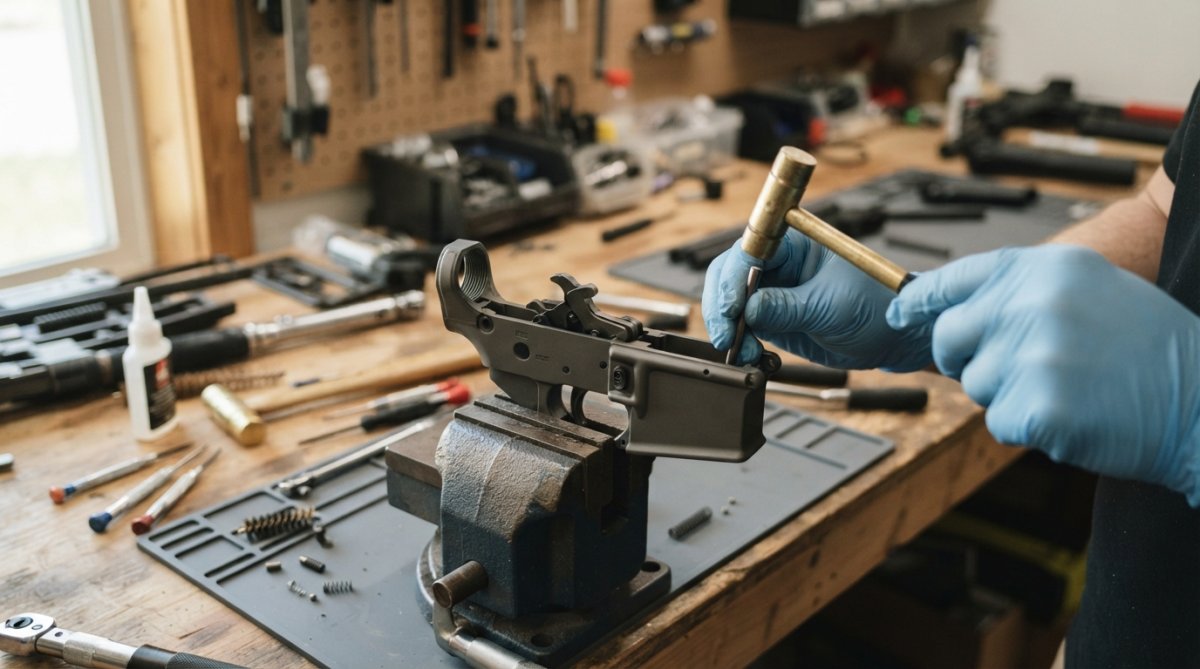
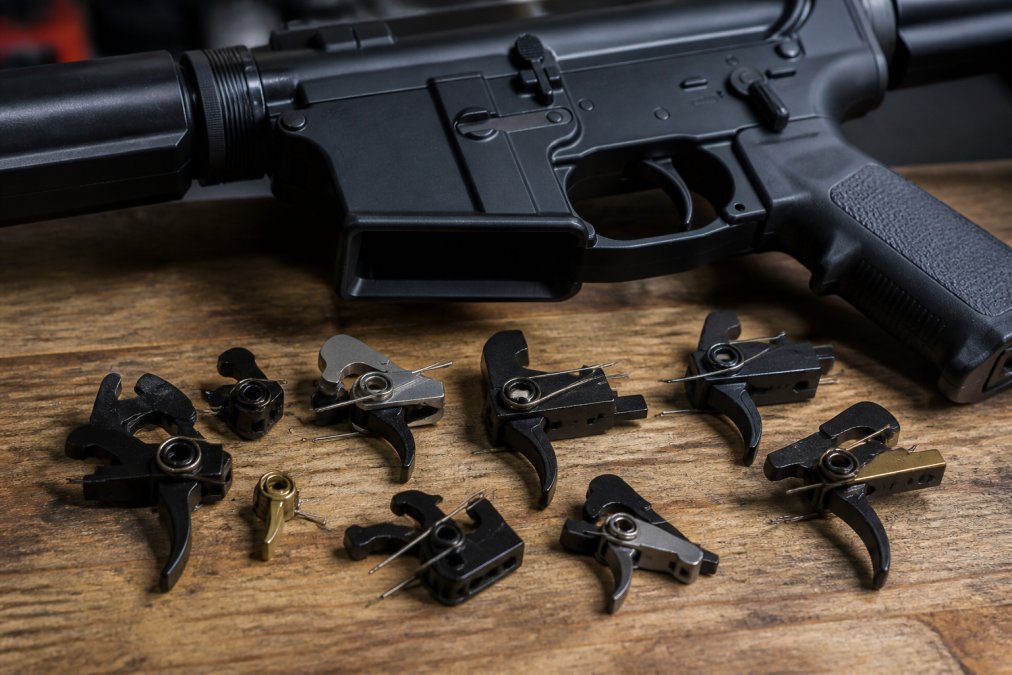
Drop-in cassette triggers dominate the PCC market because they install without stoning or tuning the fire-control group. The trade-off is that each cassette has its own housing geometry, pin system, and hammer profile, so “drop-in” means drop-in to the right lower, not every lower. Here is how the common options differ in mechanism and intended use, not just brand name.
CMC PCC trigger. Confirm the housing fits your lower’s pocket and that the pull weight listed on the spec sheet matches what you want, since cassette triggers are not adjustable after purchase.
Rise Armament PCC drop-in. Verify the pin system and hammer clearance against your bolt carrier before ordering.
Timney AR PCC. Covered in its own section above; the relevant point here is that it is positioned as an easy-install cassette without anti-walk pins, which matters if you want to avoid extra hardware.
How to compare total cost, not just sticker price. A drop-in cassette’s value is the trigger plus any required pins, screws, or installation tools, minus the gunsmith time it saves. Add the cost of anti-walk pins if your trigger needs them, and check the warranty terms, since some manufacturers void coverage if the trigger is modified or installed outside their instructions.
Match the trigger to the role. For competition, a short, crisp single-stage with a positive reset supports fast splits. For range use, a clean single-stage or a two-stage with a defined wall is comfortable and predictable. For defensive use, prioritize reliability and a positive reset over the lightest pull, and function-check thoroughly before trusting the build. No trigger is best across all three roles; the trade-offs are real.
AR-9 trigger category at Armor Ally
For a broader set of drop-in options with specs, see our best TriggerTech alternatives for custom builds.
Comparison Table: Price, Type, and Best Use Case
| Trigger | Type | Price | Best Use Case |
|---|---|---|---|
| Timney AR PCC | Drop-in | Not shown in results | Easy install, no anti-walk pins |
| Rise Armament PCC | Drop-in | Not shown in results | AR-9 builds seeking a drop-in |
| HIPERFIRE Eclipse | Drop-in | Not shown in results | Crisp feel, confirm model fit |
| Geissele G2S | Two-stage | Sale reported under $100 | Two-stage preference, verify fit |
| Rock River National Match | Two-stage | Not shown in results | Comparison baseline |
Prices here are not verified as current. Check each manufacturer’s site before you buy.
Pick Your PCC Trigger and Check Fit Before You Buy
Start with the type you want, single-stage for a clean break or two-stage for controlled take-up. Then confirm compatibility with your lower and bolt group, and check the pull weight in the published specs. A trigger that fits the platform and matches your shooting style is worth more than the lowest price.
Poly Pew offers precision-engineered aluminum MKE lowers and drop-in trigger kits for custom builds. Visit the Poly Pew site for current pricing and availability, and get your Flatties here!!!
Frequently Asked Questions
What is the best PCC trigger?
There is no single best PCC trigger, because the right choice depends on whether you want a crisp single-stage break for range and competition work or a two-stage trigger for a more deliberate feel. Start by confirming that the trigger is rated or listed for your specific PCC platform, since many AR-15 triggers do not hold up to blowback recoil. Verify model-level fit with the manufacturer before buying. Poly Pew can help you compare options for your build; check our website for current prices or a quote.
Can an AR-15 trigger work in an AR-9 PCC?
Sometimes, but not reliably in every case. Many AR-15 triggers were designed for rifle-caliber recoil and a different bolt carrier group, and some owners report problems with blowback-operated PCCs. A trigger listed specifically for AR-9 or PCC use is the safer starting point. Check the manufacturer’s compatibility notes for your lower receiver and fire-control group, and test function slowly before live fire.
Are drop-in triggers compatible with every 9mm PCC?
No. Drop-in triggers are sold for specific lower receiver designs, and compatibility varies by platform. Before buying, confirm the trigger’s listed platform, check whether anti-walk pins are required, and verify the pull weight and reset with a function check.
What is the difference between single-stage and two-stage PCC triggers?
A single-stage trigger breaks in one continuous pull with a crisp, short reset, which many shooters prefer for competition and rapid follow-up shots. A two-stage trigger has a takeup phase followed by a distinct wall before the break, which can improve control for deliberate shots but often feels heavier overall. Neither is universally better; choose based on how you shoot and whether your PCC runs reliably with each type.