Last Updated: November 20, 2026
Quick Summary
Billet aluminum lower durability is decided by three things: the alloy and temper, the geometry of the part, and how well it was machined. A well-machined 7075-T6 billet lower and a forged 7075-T6 lower start from the same base material strength, so the process label alone tells you far less than the spec sheet does.
- Published yield-strength figures are roughly 73,000 psi for 7075-T6 aluminum and 40,000 psi for 6061-T6.
- Forging aligns grain flow with the part’s shape, which generally improves fatigue resistance at stress concentrations.
- Failures cluster at the pin holes, receiver extension threads, and takedown pin areas.
- Inspect pin holes, threads, lugs, magwell, and finish at every deep clean and after high-round-count sessions.
- Most of the billet price premium buys appearance and customization, not strength.
Table of Contents
- Billet Aluminum Lower Durability: What Actually Decides It
- Billet vs Forged Strength: What the Numbers and Guides Say
- Billet vs Forged vs Cast Lower: Three Manufacturing Processes Compared
- AR-15 Lower Receiver Materials: Alloys, Temper, and Heat Treatment
- Where Billet Lowers Fail: Stress Points and Failure Modes
- Lower Receiver Wear and Inspection: What to Check and When
- Cost, Appearance, and the Trade-offs That Don’t Affect Durability
- Choosing a Billet Aluminum Lower for Your Build
- Frequently Asked Questions
Billet Aluminum Lower Durability: What Actually Decides It
Billet aluminum lower durability comes down to three things: the alloy and temper, the geometry of the part, and how well it was machined. The manufacturing label on the box tells you far less than the spec sheet does. That’s the short version, and it’s the argument we’ll defend for the rest of this guide from Poly Pew.
Here’s why it matters. A 2026 buying guide from Dirty Bird USA’s stripped lower receiver guide lists typical published yield-strength figures of roughly 73,000 psi for 7075-T6 aluminum and 40,000 psi for 6061-T6.
Billet aluminum lower durability is decided before the first cut: pick the wrong alloy and no amount of machining precision saves you.
Process, Alloy, and Geometry: The Three Variables
Think of durability as a three-legged stool: process, alloy and heat treatment, and geometry (wall thickness, reinforcement at stress points, machining tolerances). Cut one leg short and the stool tips, no matter how good the other two look.
A common mistake is treating “billet” as a durability grade. It isn’t. It’s a manufacturing method, and the method only sets the ceiling. The alloy and the geometry decide whether a given part reaches it.
Billet vs Forged Strength: What the Numbers and Guides Say
Forged lowers are generally described as stronger and more affordable, while billet lowers are framed as offering more aesthetic customization at a higher price, according to a 2026 comparison from AR15Discounts’ forged vs. billet guide. That’s the conventional framing, and it’s qualitative.
A yield-strength comparison of alloys describes the base material, not finished receivers. A well-machined 7075-T6 billet lower and a forged 7075-T6 lower start from the same base material strength.
What Tests Can and Cannot Establish
A yield-strength number tells you the stress at which the alloy begins to deform permanently under a slow, uniform load. It does not tell you how a finished lower behaves under the repeated, off-axis, impact-loaded cycles a receiver actually sees. Three test categories matter:
- Tensile and yield tests on coupons establish alloy and temper. They say nothing about geometry, threads, or pin holes.
- Fatigue tests on finished parts or representative sections reveal how repeated cycling degrades the part. Results depend heavily on surface finish, corner radii, and stress concentrators, so a billet part with sharp internal corners can underperform a forged part with generous fillets even from the same alloy.
- Proof and function testing on assembled receivers confirms the part survives a specified pressure event and cycles correctly. It is a pass/fail gate, not a durability ranking.
A common pattern is that comparisons cite the first category and imply the third. That gap is where most marketing claims live. When you see a strength number attached to a receiver, ask which of the three it came from.
Geometry Controls the Comparison
A fair process comparison has to hold geometry constant, and almost no marketing comparison does. Wall thickness at the buffer tower, the radius at the takedown-pin lug, the amount of material around the magazine catch, and the thread depth in the receiver extension all change load paths more than the billet-versus-forged label does. Unless two receivers share alloy, temper, wall thickness, and reinforcement, a claim that one process is stronger is a claim about the specific parts tested, not about the process.
Fatigue and Grain Structure, Qualified
Forging aligns grain flow with the part’s shape, which generally improves fatigue resistance at stress concentrations. Billet machining cuts across the grain, so fatigue performance depends on how the machinist handles corners, radii, and surface finish. A manufacturing-method analysis from CS Manufacturing notes that machining from billet may not achieve the same fatigue resistance as forged parts, while also producing greater material waste.
For a deeper side-by-side breakdown of the two receiver types, see our guide on billet vs forged lower receivers.
| Factor | Billet | Forged |
|---|---|---|
| Typical base alloy | 7075-T6 or 6061-T6 | 7075-T6 |
| Grain structure | Cut from solid stock | Refined by forging |
| Fatigue resistance | Depends on machining quality | Generally favored by process |
| Dimensional accuracy | High, tight tolerances | Good, less tight |
| Relative cost | Higher | Lower |
| Best for | Custom builds, aesthetics | Strength-per-dollar builds |
Billet vs Forged vs Cast Lower: Three Manufacturing Processes Compared
Cast lowers are the third option.
Forging compresses heated aluminum under high pressure, aligning the grain structure with the part’s shape. That’s why forged lowers earn the strength-and-value reputation.
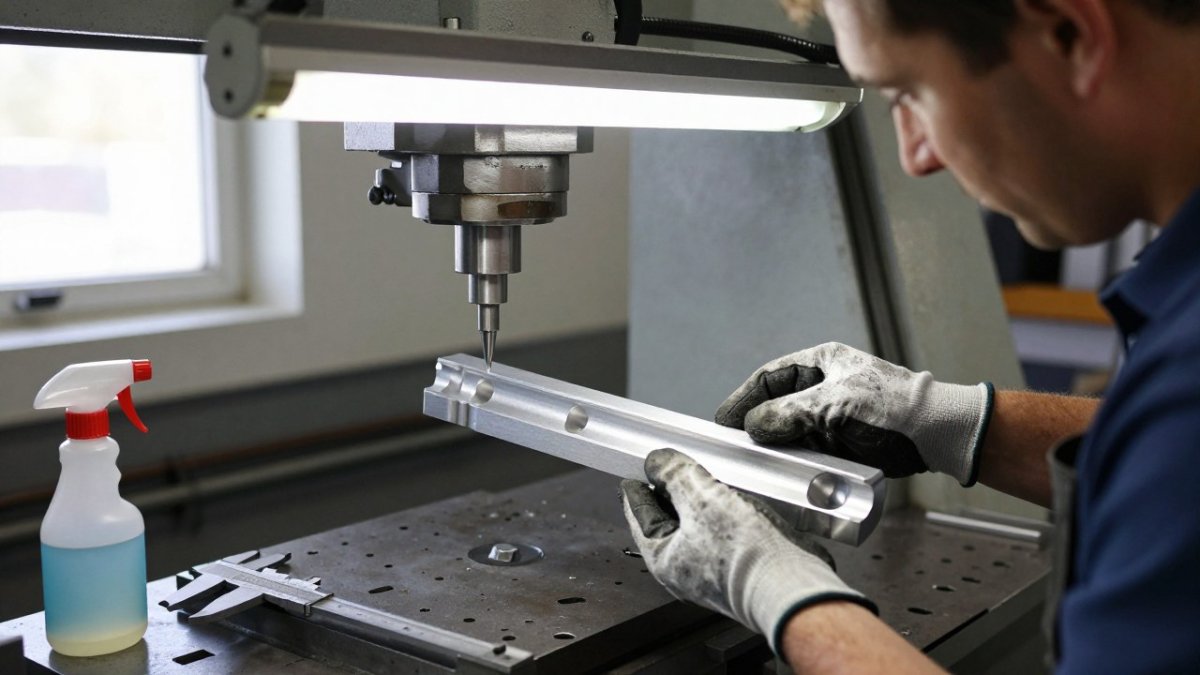
Billet machining cuts the receiver from a solid block of aluminum.
If you’re weighing all three processes before you buy, our focused comparison of billet vs forged receivers covers strength, cost, and fit side by side.
AR-15 Lower Receiver Materials: Alloys, Temper, and Heat Treatment
7075-T6 aluminum is a zinc-alloyed aluminum known for high strength. 6061-T6 is a weldable, corrosion-resistant alloy with lower strength than 7075-T6.
Temper matters as much as alloy. A correctly heat-treated lower gives you the strength the spec promises, but the loads from VT Superchargers make it just as important to understand what can fail elsewhere in the system.
Watch out: a lower advertised as “aircraft-grade aluminum” without naming the alloy or temper is a red flag. Ask for the spec. If the maker won’t state 7075-T6 or 6061-T6, assume the weaker option.
To understand the standard behind the alloy, our guide on what a mil-spec AR-15 lower receiver is walks through the 7075-T6 spec and how it applies. For a broader material comparison across forged, billet, and polymer, see the best material for an AR-15 lower receiver.
Where Billet Lowers Fail: Stress Points and Failure Modes
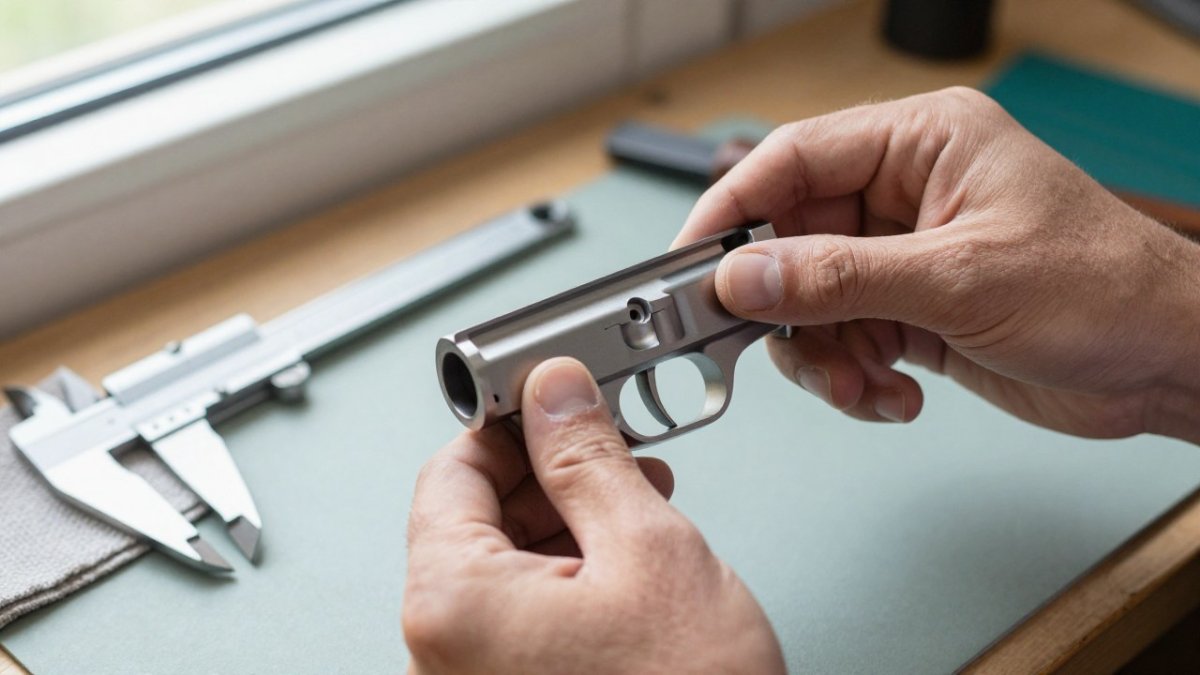
Failures cluster at the pin holes, the receiver extension threads, and the takedown pin areas. Those are the points where recoil impulse and torque concentrate, and where thin walls or loose tolerances show up first.
Pin Holes
Trigger and hammer pin holes carry the highest localized bearing loads in the lower. Two failure patterns dominate. The first is elongation, where the hole goes out of round and the pin develops play; this is a wear-and-bearing problem driven by hole diameter, surface finish, and pin fit more than by alloy. The second is wall cracking between the pin hole and the adjacent pocket, a geometry and heat-treatment problem: a thin wall or an over-hardened, brittle section cracks where a tougher section would deform.
Receiver Extension Threads
The threads that accept the buffer tube see torque during assembly and cyclic loading during fire. Galling and cross-threading are installation and maintenance issues, not material failures, and they occur on forged and billet parts alike. Thread stripping under torque is a design and machining issue: thread depth, engagement length, and whether the threads were cut or formed all matter.
Takedown Pin Lugs and Magwell
The takedown pin lugs and the magwell see impact and peening. Cracks at the lugs usually start at a sharp internal corner, a stress-concentration problem that better radii solve. Magwell peening is a wear pattern from magazine insertion and removal and is largely independent of receiver process. Both are inspectable and both respond to design and finish quality.
Alloy, Heat Treatment, and Quality Control
A 6061-T6 billet lower and a 7075-T6 billet lower are not equivalent, and neither are two 7075-T6 lowers from different makers. Temper matters: a part that missed the T6 aging step is softer than the spec sheet promises, and a part over-aged or improperly quenched can be brittle at the stress points above. Machining quality matters: sharp internal corners, tool marks, and undersized pin holes create the initiation sites for the failures described here.
Separating Durability from Aesthetics and Price
Many comparisons mix appearance and cost with strength. For a durability-focused decision, sort the criteria into four buckets and judge each on its own terms:
- Durability: alloy and temper, wall thickness, radii at stress points, pin-hole and thread quality, inspection.
- Design: geometry, reinforcement, controls, and whether the layout suits your build.
- Compatibility: fit with your upper, buffer system, trigger, and magazine, and whether the maker publishes tolerances.
- Price: the customization premium, weighed against the durability and compatibility you actually get.
A lower that wins on appearance and price but loses on pin-hole quality and wall thickness is not the durable choice, and a plain-looking forged or billet part with good inspection can be. Keep the buckets separate and the comparison answers the durability question directly.
Lower Receiver Wear and Inspection: What to Check and When
Inspect pin holes for elongation, check the receiver extension threads for galling, and look for cracks at the takedown pin lugs. Do this at every deep clean, and again after any high-round-count session.
- Pin holes: round, no elongation, pins fit snug
- Receiver extension threads: clean, no cross-threading or galling
- Takedown pin lugs: no cracks or stress marks
- Magwell: no peening or deformation
- Finish wear: even, no exposed bare aluminum at stress points
Long-term service life depends more on round count, ammo pressure, and maintenance than on the billet-versus-forged label. Keep the part clean and inspected, and it will outlast the barrel.
Cost, Appearance, and the Trade-offs That Don’t Affect Durability
Billet costs more, and most of that premium buys appearance and customization, not strength. Billet generally carries a higher price for its added customization options. If you want a distinctive look and tight tolerances, billet can suit you.
What doesn’t affect durability: anodizing color, laser engraving, skeletonized cuts that stay within spec, and brand name. What does: alloy, temper, geometry, and machining quality.
Choosing a Billet Aluminum Lower for Your Build
For a practical walk-through that turns these durability facts into a purchase decision, our durable aluminum lower receiver build guide covers the selection and install steps.
At Poly Pew, we offer precision-engineered aluminum MKE lowers and drop-in components for custom builds. Visit our website for current product details and availability.
The gap between a lower that lasts and one that fails usually isn’t billet versus forged. It’s the alloy, the temper, and the machining.
Poly Pew offers durable aluminum MKE lowers, specialized Super Safety kits, and precision drop-in triggers, all engineered for fit and reliability.
Frequently Asked Questions
Is billet aluminum stronger than regular aluminum?
Billet refers to how the part is made, not the alloy itself. A billet aluminum lower is machined from a solid block, and its strength comes from the specific alloy and temper used. Material yield-strength figures differ between alloys, and those are material figures rather than tested lower receivers, so the alloy choice matters more than the word billet on the box.
Is a billet lower weaker than forged?
Not automatically. A 2026 comparison guide describes forged lowers as generally stronger and more affordable, and billet lowers as offering more customization at a higher price. Quality control matters more than the process label. Judge the maker’s machining and inspection practices.
Can a billet AR-15 lower crack under normal use?
Cracks are rare under normal use, and when they happen they usually start at high-stress areas: the pin holes, the receiver extension threads, and the takedown pin lugs. Failures are often linked to machining quality rather than the billet process itself. Check for burrs, loose pin fit, and thread damage before you build, and inspect those stress points after heavy range sessions.
What should you inspect when comparing lower receiver durability?
Start with the pin holes: they should be round and consistent, with no visible chatter marks. Check the receiver extension threads for clean cuts, look for sharp internal corners that concentrate stress, and confirm the fit and finish around the magwell and takedown lugs. Ask whether the maker states the alloy and temper, since 7075-T6 and 6061-T6 behave differently. Documented inspection beats marketing claims every time.