Last Updated: November 19, 2026
Quick Summary
A standard AR-15 safety selector can be awkward for smaller hands because the lever’s position and throw force extra thumb reach and grip shifting. Shorter throw designs reduce thumb travel, but they must be tested because positions may feel closer together, and compatibility with your lower receiver should be confirmed before buying.
- Measure how far your thumb and trigger finger comfortably reach from your natural grip.
- A 45-degree throw moves the lever less than a 90-degree throw, reducing thumb travel.
- Shorter throws can make the two positions harder to distinguish by feel under stress.
- Confirm the selector matches your lower receiver’s pocket and pin pattern before ordering.
- Run a function check after installation to confirm smooth movement and proper engagement.
Table of Contents
Smaller hands often find a standard AR-15 safety selector awkward to reach and engage without shifting the grip. The lever’s position and throw directly affect how easily a shooter can switch the selector on and off. The size of the lever and the amount of rotation needed both matter, and a selector that looks fine on paper can still feel stretched on a smaller grip.
The core issue is reach. A selector that sits low or requires a wide sweep forces the thumb or trigger finger to travel farther than it would on a larger hand. Some shooters with smaller hands find they have to readjust their grip to operate the selector, which can slow the process.
Snagging is the other common complaint. A lever that protrudes far from the receiver can catch on clothing, a sling, or a holster during movement, and a smaller hand may be more likely to brush against it while repositioning. This is a fit problem as much as a design problem.
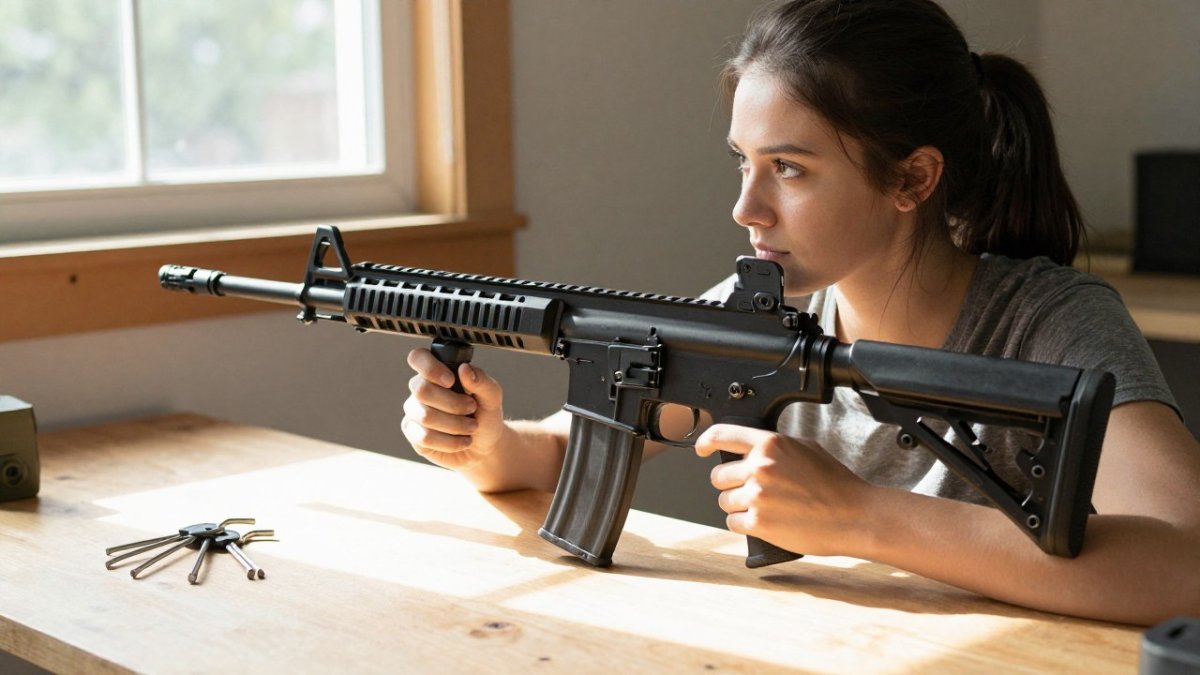
Before buying anything, measure how far your thumb and trigger finger comfortably reach from your natural grip. That single check tells you more than any spec sheet about whether a selector will feel right.
Short-Throw vs. 90-Degree Selectors: Which Suits a Smaller Grip?
The throw angle is the amount the selector rotates between safe and fire. A 45-degree throw moves the lever less than a 90-degree throw, which means less movement for the thumb. For many shooters with smaller hands, that reduced travel is the main reason to consider a short-throw design.
A short throw is not automatically better, though. The shorter arc can make the positions feel closer together, which some shooters find harder to distinguish by feel alone under stress. A 90-degree throw gives a more distinct change between positions but asks for more thumb movement. The right choice depends on how your hand moves and how you prefer to feel the selector engage.
Test the throw on your own rifle before committing. Operate the selector several times with your normal grip and note whether you overshoot, undershoot, or hesitate between positions.
Best Ambidextrous Safety AR-15 Options to Compare
Ambidextrous selectors are a useful option for shooters who want operation from either side, and they are often evaluated alongside the throw question above.
| Selector | Throw Options | Ambidextrous | Main Note |
|---|---|---|---|
| Radian Talon | 45 or 90 degree | Yes | Tool-less dovetail lever |
| Battle Arms BAD-ASS-PRO | Not verified | Yes | Part of a broad lineup |
| Magpul ESK | Not verified | Not verified | Customizable per discussion |
| CMMG ZEROED Ambi | Not verified | Yes | Left-handed alternative |
Pros and cons at a glance:
- Radian Talon: Pro: throw choice and tool-less lever. Con: small-hand fit is not verified in our sources.
- Battle Arms BAD-ASS-PRO: Pro: ambidextrous and broad selector range. Con: specifications are not verified here.
- Magpul ESK: Pro: customizable. Con: dimensions and throw are not confirmed.
- CMMG ZEROED Ambi: Pro: ambidextrous for left-handed use. Con: lever dimensions are not confirmed.
AR-15 Safety Selector Compatibility: Checking Your Lower and Upper Before You Buy
Compatibility matters more than most buyers expect. A selector must match the lower receiver’s pocket and pin pattern, and the lever must clear the grip and trigger guard. Check the lower’s make and model, then confirm the selector is listed as compatible with it before ordering. If you are checking fit on an MKE lower, see how to install an MKE lower receiver for guidance on installation and fit.
Confirm your lower’s details against the product listing before ordering. If you are building a clone or working from an unfamiliar lower, a fit check before final assembly saves time and frustration.
Good Practice: Lay the selector against the installed lower before final assembly and confirm the lever clears the trigger guard through its full travel.
AR-15 Safety Selector Installation and Post-Install Function Checks
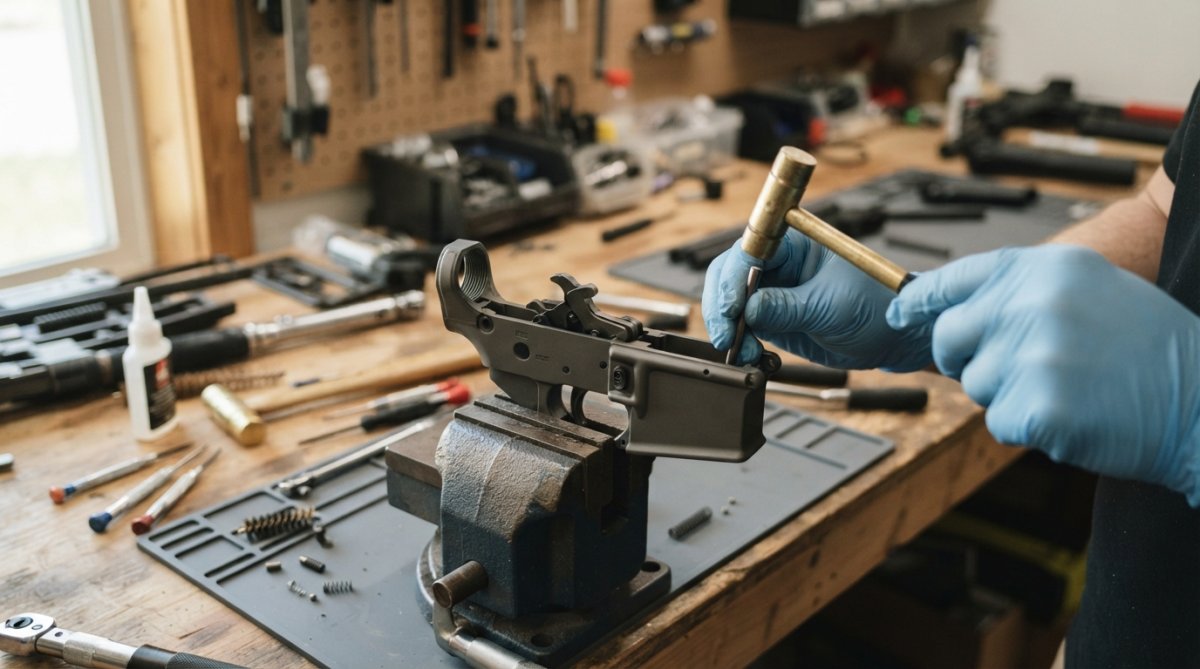
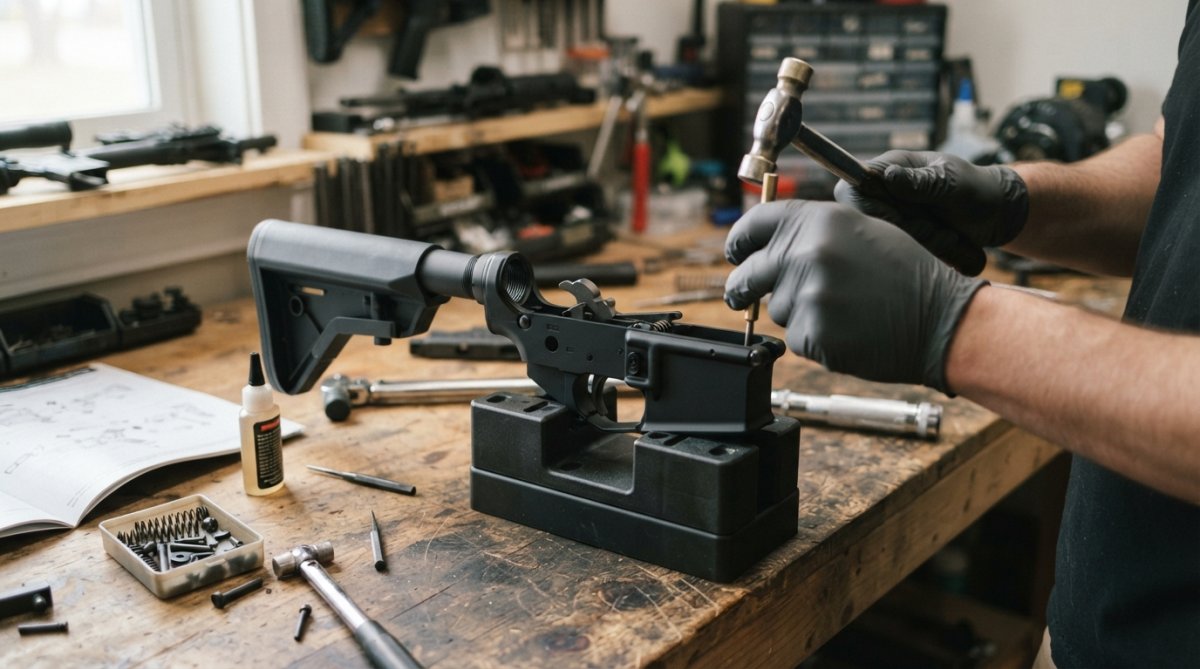
Installation varies by selector design. Dovetail-mounted levers typically slide into the receiver with a tool-less fit, while other designs use set screws that must be tightened to specification. Follow the manufacturer’s instructions for your specific selector, and use the correct tools. A step-by-step guide to installing an ambidextrous safety selector walks through the process.
After installation, run a function check before you do anything else. Confirm the selector moves smoothly through both positions, that the lever does not bind against the receiver or grip, and that the selector holds its position under light pressure. Confirm the safety engages and disengages as designed. If anything feels loose, sticky, or inconsistent, stop and recheck the fit before using the firearm. A guide to verifying a firearm’s function safely covers the procedure step by step.
Fit Testing Across Hand Sizes, Grip Styles, and Snag Risk
A selector that works for one shooter may not suit another, so test fit across the grips you actually use. Try the selector with a relaxed grip, a firm grip, and the position you use under stress. Watch for lever snag against clothing, slings, and holsters, and note whether the thumb reaches the lever without shifting the hand.
Testing across hand sizes gives you the most useful picture. If you can, have a shooter with a different hand size operate the selector on your rifle and compare notes.
Booking Your Next Step: Choosing a Selector You Can Test With Poly Pew
Choosing a selector comes down to reach, throw, and compatibility. Start by measuring your natural grip, decide whether a 45- or 90-degree throw suits your hand, and confirm the lower receiver fits before you buy. Then test the selector through its full range on your rifle.
You can find current details and availability on the Poly Pew website. Get your Flatties here!!!
Frequently Asked Questions
What is the best AR-15 grip for people with small hands?
A grip with a slightly shorter reach and a comfortable circumference usually suits smaller hands best. Test the grip with your trigger finger and thumb in their natural positions before buying. Pair it with a selector lever whose profile you can reach without shifting your hold, since a grip that fits well can still feel awkward if the selector forces your thumb to stretch.
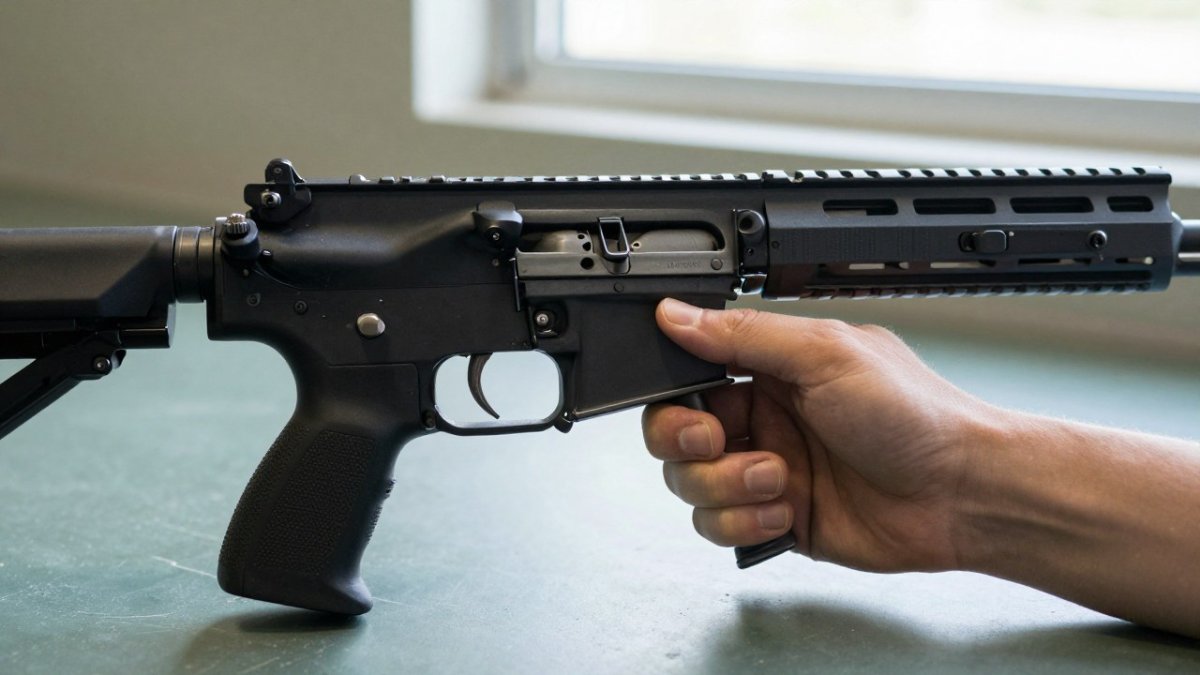
Can an ambidextrous safety selector make an AR-15 easier to operate?
It can, especially for shooters who want to manipulate the selector with either thumb or who need to switch hands. Ambidextrous levers on both sides of the lower let you engage and disengage the safety without repositioning your grip. Check the lever length and profile on your own hand, because a wide ambidextrous lever can snag or feel bulky on a smaller grip.
What is the difference between a 45-degree and 90-degree AR-15 safety selector?
A 45-degree selector rotates about half as far as a 90-degree selector to move between safe and fire. That shorter throw can reduce the movement your thumb needs, which many smaller-handed shooters prefer. The trade-off is that a shorter throw may feel less positive, so test engagement and disengagement before relying on it.
Will an aftermarket AR-15 safety selector fit any lower receiver?
Not automatically. Selectors must match the lower receiver’s design and the fire control group, and some lowers use different dimensions or attachment methods. Confirm compatibility with the manufacturer and verify the part matches your lower before you order or begin installation.