Last Updated: November 12, 2026
Quick Summary
MP5 clone vs original HK parts compatibility is model-specific, generation-specific, and sometimes part-specific within the same gun, so a clone that looks identical outside can be dimensionally different inside. Trigger packs and bolt groups carry the highest risk, while magazines are the most forgiving. Always measure your own receiver and verify fitment before buying parts.
- The MKE AP5 is the closest readily available starting point to original HK dimensions, but closeness is not interchangeability.
- Match the trigger pack to the housing generation and confirm pin style before shopping, since forcing pins cracks housings.
- Check headspace with go and no-go gauges after assembly and never modify the bolt or locking piece to make it fit.
- Stock compatibility depends on the rear receiver and pin setup, which changes across full-size, compact, and MP5K patterns.
- A part can be fully compatible and still unreliable, so treat a clean fit as the start of testing, not the end.
Table of Contents
- Why MP5 Clone Parts Compatibility Is Never Guaranteed
- MKE AP5 Parts Compatibility: The Closest Starting Point
- MP5 Clone Trigger Pack Compatibility and Fire-Control Fitment
- Bolt, Bolt Carrier, and Locking Piece Differences
- MP5 Clone Stock Compatibility Across Models and Generations
- MP5 Clone Magazine Compatibility: What Actually Locks In
- Compatibility vs Reliability: Why Fitment Is Only Half the Battle
- Verify Your Parts Fit Before You Commit to a Build
- Frequently Asked Questions
Why MP5 Clone Parts Compatibility Is Never Guaranteed
MP5 clone vs original HK parts compatibility comes down to one uncomfortable fact: a clone that looks identical on the outside can be dimensionally different on the inside, and that is exactly what MP5 clone vs original HK parts compatibility hinges on. The short answer is that parts compatibility is model-specific, generation-specific, and sometimes part-specific within the same gun.
The research on this topic is thin, and the honest sources say so. Owners in enthusiast forums report mixed results when swapping parts between clones and original guns, and controlled compatibility testing across clones is limited.
Below, we’ll walk through each critical component group, where fitment breaks down, and how to check before you spend.
MKE AP5 Parts Compatibility: The Closest Starting Point
The MKE AP5 is widely treated as the closest readily available starting point to original HK dimensions, which is why so many builders begin there. That reputation is earned but often overstated. Closeness is not the same as interchangeability.
What most guides miss is that AP5 production runs vary. Early and late guns can differ in small ways that matter when you install a trigger pack or a stock. Before ordering anything, measure your own receiver rather than trusting a forum post from five years ago. If you’re working from an MKE platform, our MKE lower receiver fitment guide covers the receiver-side checks in detail.
A common mistake is buying a batch of original parts assuming they’ll all drop in. Test one critical component first.
MP5 Clone Trigger Pack Compatibility and Fire-Control Fitment
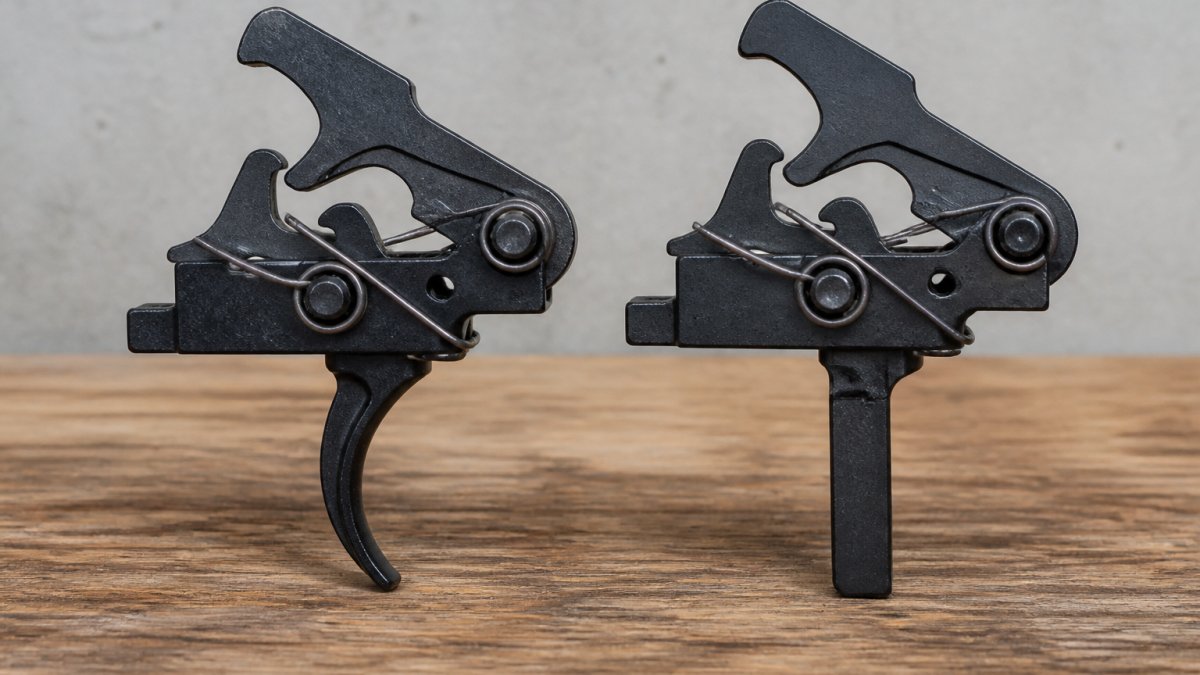
MP5 clone trigger pack compatibility is where most builds succeed or fail, and it is the section where generic advice does the most damage. The fire-control group sits at the center of the platform, and small differences in the housing, pin holes, or sear geometry show up immediately as a gritty pull, a safety that won’t engage, or a hammer that follows the bolt.
Start with the housing itself. Clones ship with either a polymer or aluminum trigger housing, and the two accept different pack designs. The original-style polymer housing uses a push-pin setup at the front and rear, while many clones and aftermarket housings use a clip-pin or a mix of push-pin and clip-pin. A pack cut for one pin style will not lock up correctly in the other, and forcing the pins is how housings get cracked. Confirm your housing’s pin style before you shop, then confirm the pack is cut for that style.
Next, check the fire-control cut. Original HK trigger groups were designed around a specific disconnector, sear, and hammer geometry, and clones vary in how faithfully they reproduce it. A common pattern is a clone pack that drops into an original-spec housing but produces a long, gritty pull because the sear engagement angle is different. Measure pin hole diameter and spacing first, then check sear engagement, then safety function, in that order. If the safety will not rotate cleanly with the pack installed, stop, that is a geometry problem, not a break-in problem.
Generation caveats matter here more than anywhere else on the gun. Clones assembled from mixed-generation parts are the usual culprits, and a pack that fits one production run of a given model may not fit the next. Before ordering, measure your own housing and pack interface rather than trusting a forum post from five years ago. If you are sourcing a replacement fire-control group, browse the MP5 trigger systems we stock and confirm the housing generation and pin style before you commit.
Watch out: installing a trigger pack that “almost fits” and driving the pins can damage the housing and leave you with an unsafe fire-control group, if the pins need more than hand pressure, the pack is wrong for the housing.
A part can also be physically compatible and still not function reliably. Fitment gets the pack into the housing; function testing, safety on and off, trigger reset, and a function check with dummy rounds, tells you whether it belongs there. Treat a clean install as the start of verification, not the end of it.
Bolt, Bolt Carrier, and Locking Piece Differences
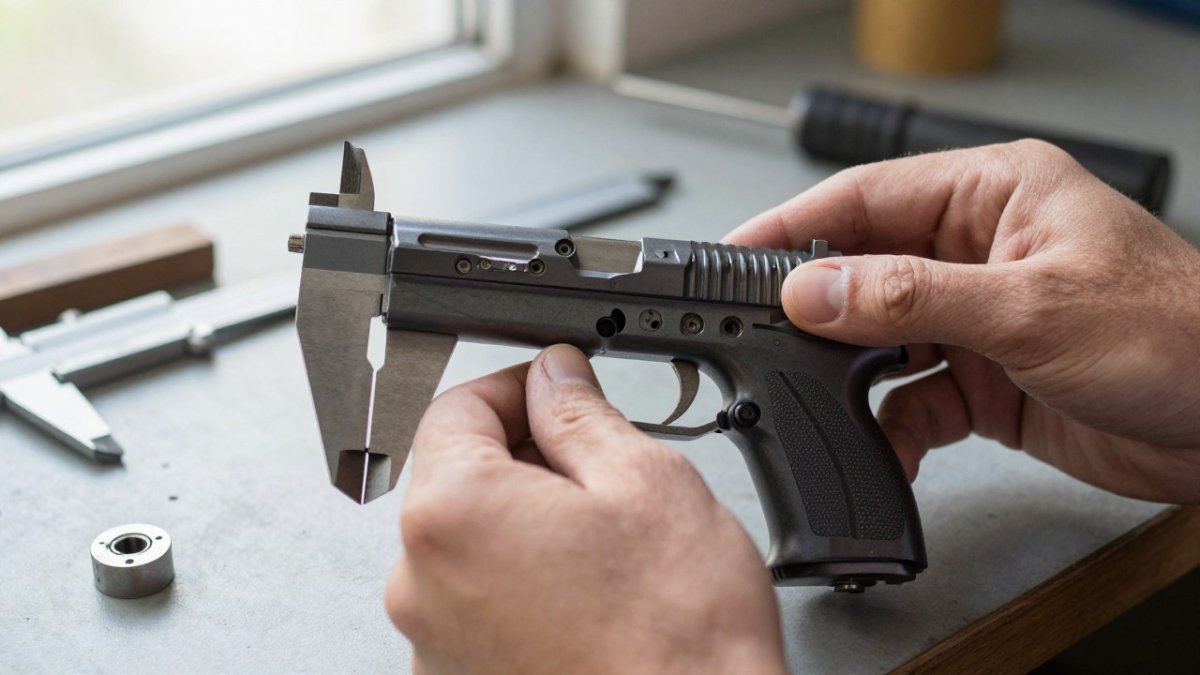
The bolt, bolt carrier, bolt head, and locking piece are the components where clone and original guns diverge most in ways that affect function, and they are the parts most likely to turn a build into a safety problem. These parts control headspace and cycling, so tolerance differences here translate directly into malfunctions, or worse, into a gun that fires out of battery.
Work through the group in order. The locking piece sets the unlock timing: its angle and the roller geometry determine how long the action stays locked and how the recoil impulse feels. A locking piece that is slightly off can change when the action unlocks, which shows up as erratic cycling, a harsh recoil impulse, or a bolt that unlocks too early. The bolt head dimensions affect how the cartridge sits in the chamber, and that is a headspace issue, not a convenience one, headspace must be checked with gauges, not eyeballed.
Generation and model caveats are real here. Full-size, compact, and MP5K-pattern guns use different bolt and carrier lengths and different locking-piece geometry, and clone makers do not always reproduce the original dimensions faithfully across production runs. A carrier that drops into an early run of a given model may bind in a later run. Measure your own parts against a reference before assembly, and do not assume that a part that fits one clone fits another.
Verification is the step that separates a safe build from a hopeful one. Check headspace with go and no-go gauges after assembly, confirm the bolt unlocks smoothly by hand-cycling with dummy rounds, and inspect the locking piece and rollers for correct seating before any live fire. If headspace is out of spec or the action binds, stop and have a qualified gunsmith inspect the fitment, do not modify the bolt or locking piece to make it fit.
A part can also be physically compatible and still unreliable. A bolt group that installs and hand-cycles may still produce failures to feed or extract under live fire, so treat a clean fit as the start of testing, not the end of it. The honest framing: compatibility is a measurement, reliability is a track record, and on the bolt group the measurement has to come first.
MP5 Clone Stock Compatibility Across Models and Generations
MP5 clone stock compatibility depends on the rear of the receiver and the pin setup, and it changes across full-size, compact, and MP5K patterns. A stock that locks up tight on one full-size model can rattle or fail to latch on another.
Generation matters here too. Clones built from different production batches may use different rear pin configurations. If you’re assembling a housing and stock together, our aluminum complete packages are built around matching the housing to the model generation. Confirm your rear pin setup before ordering, and test the latch with the stock folded and extended.
MP5 Clone Magazine Compatibility: What Actually Locks In
MP5 clone magazine compatibility is more forgiving than the fire-control group, but “it locks in” is not the same as “it feeds.” Magazine well dimensions vary slightly between clones, and a magazine that seats can still sit at the wrong height.
Test with dummy rounds before a range test. Watch for the magazine sitting too high, which causes feed issues, or too low, which causes the bolt to skip. Genuine parts magazines and quality aftermarket options usually work, but check the catch engagement by hand first. A magazine that drops free unexpectedly is a range-day problem you can avoid at the bench.
Compatibility vs Reliability: Why Fitment Is Only Half the Battle
Here’s the part that changes everything. A part can be fully compatible and still unreliable. Fitment gets you a gun that assembles and cycles; reliability gets you a gun that runs every time.
Some owners report that clones become dependable only after replacing selected critical components, though those reports rarely quantify which parts or how many rounds it took. Treat them as directional, not definitive. The honest framing: compatibility is a measurement, reliability is a track record. You need both. Use our broader firearm component compatibility guide to check how each part in your build interacts with the rest.
| Component | Compatibility Risk | What to Verify |
|---|---|---|
| Trigger pack | High | Pin holes, sear geometry, safety function |
| Bolt and locking piece | High | Headspace, unlock timing, cycling |
| Stock | Medium | Rear pin setup, latch engagement |
| Magazine | Low to medium | Seat height, catch engagement |
Verify Your Parts Fit Before You Commit to a Build
Verification is the step most builders skip, and it’s the cheapest insurance you’ll ever buy. Before you commit to a full build, do a dry fit of every critical component and measure with calipers. Compare against your reference dimensions, not against a photo.
- Check pin hole alignment on the trigger pack and housing
- Measure bolt head and locking piece against spec
- Confirm stock latch engagement folded and extended
- Seat magazines with dummy rounds and check height
- Function-test the safety and trigger before any live fire
A common approach is to assemble the fire-control group and test it in the white before finishing anything else. If you’re ready to build, our DIY fitment and precision assembly guide walks through the verification sequence step by step. Get your parts sorted with Poly Pew and build a clone that runs the way it should.
Frequently Asked Questions
Are MP5 clone parts interchangeable with original HK parts?
Sometimes, but not universally. Small parts like pins, springs, and extractors often swap between clones and originals, while bolt carriers, locking pieces, and trigger packs can need fitting or may not work at all. Compatibility depends on the clone, the production generation, and the specific part. Owners report that replacing selected components with genuine HK parts can improve function, but those are individual accounts rather than controlled comparisons. Test-fit and test-fire before relying on any swap.
Do original HK magazines fit MP5 clones?
Genuine HK magazines generally fit well-made clones, including MKE AP5 pattern guns, because the magazine well dimensions follow the original blueprint. The reverse is where problems appear: some aftermarket magazines drop free or fail to lock the bolt back on certain clones. Check magazine catch engagement and feed lip alignment on your specific receiver before buying a batch. MP5 clone magazine compatibility is a receiver-by-receiver question, not a brand-wide guarantee.
Are HK trigger packs interchangeable between clones and original MP5s?
Trigger pack and sear compatibility is one of the least predictable areas. The fire-control group depends on pin hole placement, housing dimensions, and sear geometry, and clones vary in all three. Some packs drop in; others need fitting or simply will not time correctly. Never assume interchangeability. Have a qualified armorer check safety function and sear engagement after any trigger pack swap, and confirm your configuration complies with federal and state law before installing anything.
How can you check whether an HK part will fit an MP5 clone?
Start with calipers. Measure pin diameters, hole spacing, and the locking piece angle against the part you plan to install. Compare your clone’s model and production generation against known compatibility notes, then test-fit the part in a stripped, unloaded gun. Cycle dummy rounds by hand and look for binding, then range test with live ammunition. If the part changes how the gun locks up or resets, stop and consult an armorer before firing further.